
When Good Days Become Fewer

Updated: May 16
By the time a dog reaches senior years or lives with a chronic illness, their “good days” often stop following a reassuring pattern. Instead of “most days are fine, with the occasional bad one,” many families quietly notice the opposite: more struggle, more stiffness, more confusion—pockets of comfort scattered through a landscape of decline.
Psychology research suggests that deliberately noticing and “marking” positive moments can boost resilience, gratitude, and even physical wellbeing by engaging dopamine, serotonin, and endorphins in the brain.[5][6] Yet other studies also show that celebrations and special dates can intensify grief, loneliness, and stress—especially when illness or loss is already in the room.[1][2][3]
So if you’re caring for a dog who is clearly changing, you can end up in an emotionally strange place: the science says celebration helps, your heart says “I’m not in the mood,” and your dog’s health is giving you fewer obvious reasons to feel light.
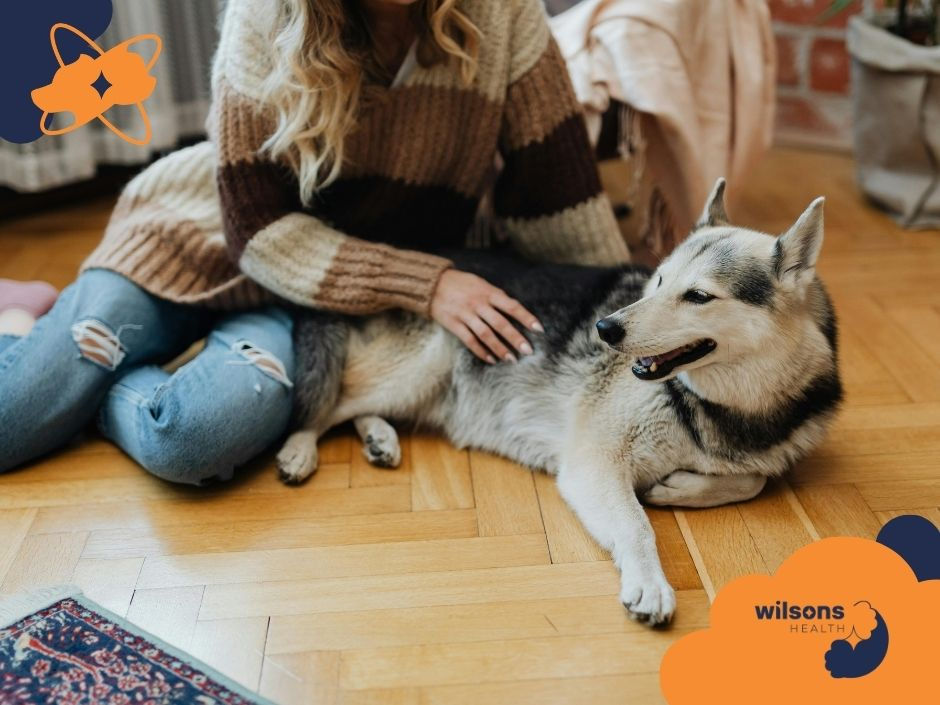
This article is about that space—when good days become fewer, and you quietly start to adjust what “celebrating” even means.
What counts as a “good day” now?
In chronic or end-of-life care, “good days” stop being vague impressions and start becoming something you actively track.
For many caregivers, a good day might mean:
Your dog eats with interest instead of being coaxed.
Pain seems manageable: they get up without obvious struggle, or settle comfortably.
There’s a spark of old personality—a favorite toy, a slow tail wag, a familiar ritual at the door.
They’re awake and engaged for more of the day, not just drifting in and out.
These days may not look like the “good days” you remember from their youth. They might be quieter, shorter, or more fragile. But they still exist—and how you relate to them can shape not just your dog’s experience, but your own emotional health.
Why celebrations feel different in chronic care
Research on celebrations and mental health shows a double effect:
Positive side: Marking good moments increases gratitude, connection, and resilience.[5][6] Even small rituals can lower stress and protect mental health.
Complex side: When illness or loss is present, the same celebrations can heighten sadness, loneliness, or anxiety.[1][2][3] You notice who or what is missing. You feel pressure to be “happy” when you’re not.
In other words, if birthdays, holidays, or “adoptaversaries” feel heavier now, that isn’t you being ungrateful. That is your brain doing what human brains do in the presence of grief.
The emotional weight of “still trying to celebrate”
When good days are rare, even the idea of celebrating them can start to feel loaded.
Common inner dialogues caregivers describe
Guilt: “If I celebrate, am I pretending everything is fine?”“If I don’t, am I failing to appreciate the time we have?”
Pressure: “This might be our last birthday together. I have to make it perfect.”“Everyone online seems to be doing big ‘bucket list’ things. I can’t even manage a long walk.”
Loneliness: “People tell me to ‘enjoy every moment,’ but they don’t see the 3 a.m. accidents and vet bills.”“I feel like I’m the only one who can’t get into the holiday spirit.”
Ambivalence: “I’m happy he’s having a good day. I’m also painfully aware of how rare this is now.”
Psychology literature on celebrations notes that big events and anniversaries often intensify existing emotions instead of replacing them.[1][2][3][8] If you’re already carrying anticipatory grief, it’s normal to feel both joy and dread when a special day approaches.
None of this means you should stop marking good moments. It just means the way you do it may need to change.
When the old way of celebrating stops fitting
Earlier in your dog’s life, celebrations might have been simple and exuberant:
Big off-leash hikes
Dog park parties
New toys that got eviscerated in 30 minutes
Birthday photos with silly hats and “Gotcha Day” cakes
With illness or age, those same celebrations may now be:
Physically impossible
Overstimulating or exhausting for your dog
Logistically too hard for you, as a tired caregiver
Emotionally out of sync with the reality you’re living
Trying to force “normal” celebrations in a not-normal season often creates more stress than comfort. Research on festive seasons shows that high expectations—time, money, emotional performance—are a major source of anxiety and burnout.[2][3]
That’s usually the point where caregivers quietly start asking:
How do I honor the good without pretending away the hard?

Adjusting your celebration approach (without losing the meaning)
Think of this not as “celebrating less,” but celebrating differently—in ways that fit your dog’s body and your emotional bandwidth.
1. Shrink the scale, not the significance
Research consistently finds that even small, private celebrations can improve wellbeing.[5][6] There’s no minimum size requirement for something to “count.”
Instead of:
Planning a big birthday event
You might:
Make their favorite simple meal and eat beside them on the floor
Play one gentle game they still enjoy, for five unhurried minutes
Sit outside together at their favorite time of day and name it out loud:
“This is our birthday sunset.”
The emotional impact comes from attention and intention, not spectacle.
2. Shift what you’re celebrating
When big milestones feel too loaded, you can pivot to smaller, more frequent anchors.
Possible things to quietly “mark”:
“First tail wag after a rough week”
“She finished a whole meal without nausea today”
“He walked to the end of the street and back”
“No accidents in the house this morning”
“She chose to come over for cuddles on her own”
Research on gratitude and reflection shows that regularly noticing specific positive events—even very modest ones—builds emotional resilience over time.[4][5]
You don’t have to throw a party every time. Sometimes the celebration is just a sentence:“That was a good moment. I’m glad we had it.”
3. Lower the emotional performance pressure
Many caregivers feel an unspoken rule: if it’s a “special” day, you’re supposed to be happy. Research on holiday and event-related stress suggests this expectation alone can worsen mood and increase feelings of isolation.[2][3]
You’re allowed to redefine success for a celebration day as:
“We stayed within what my dog could comfortably handle.”
“I didn’t push myself to host or perform for others.”
“I let myself feel however I actually felt.”
A useful mental reframe:The point isn’t to manufacture joy; it’s to make gentle space for whatever is here.
The science of why small rituals still matter
Even when you’re exhausted, there are reasons to keep some form of ritual in your life with your dog.
How celebration affects the brain and body
Research suggests that:
Celebration and gratitude can increase dopamine and serotonin, brain chemicals associated with reward, motivation, and mood.[5]
Positive social connection (even just you and your dog) can release endorphins and oxytocin, which reduce stress and support emotional regulation.[6]
Mindful reflection on good moments—especially when written down—can boost happiness and resilience, sometimes even more when you briefly imagine what life would be like without them (a form of counterfactual thinking).[4]
This doesn’t mean you have to be relentlessly positive. It means that gently noticing and marking your dog’s good days is one way to give your nervous system small pockets of relief in an ongoing stressful situation.
When celebrations hurt: grief, anniversaries, and “empty chairs”
You may also find that certain dates feel heavier now:
The day you received the diagnosis
The anniversary of a previous dog’s death
Holidays when your dog used to be the center of the chaos
Birthdays that might be “the last one”
Psychologists call this the anniversary effect—a spike in emotional intensity around dates linked to trauma or loss.[8] It’s also closely related to the “empty chair” phenomenon during celebrations, when absences feel especially loud.[2]
You might notice:
Dread building as the date approaches
A wave of grief on the day itself, even if nothing “bad” happens
Irritability, sleep issues, or low mood around certain seasons
This is not you “failing to cope.” It’s a recognized pattern in how memory, emotion, and time interact.
You’re allowed to do less
If a particular day feels too sharp:
You can scale back traditional celebrations.
You can change the ritual—for example, swapping a big party for a quiet walk and a favorite treat.
You can skip it this year without that meaning you loved your dog any less.
Avoidance can sometimes become problematic if it turns into total emotional numbing, but choosing a gentler approach for a painful date is often simply good self-care.[1]
The caregiver’s emotional labor: burnout behind the love
Long-term pet caregiving is a form of chronic emotional labor. You’re:
Monitoring symptoms
Managing medications and appointments
Making quality-of-life decisions
Absorbing everyone else’s opinions
Holding your own fear about the future
Research on celebrations and burnout in humans suggests that positive rituals can prevent total emotional depletion—but only if they don’t become another obligation.[7]
Signs that your celebration approach might be adding to burnout:
You dread upcoming “special days”
You spend money or energy you really don’t have “because you should”
You feel worse after the celebration than before
You’re doing more to meet others’ expectations than your dog’s needs
In these cases, “adjusting your celebration approach” might mean doing less, not more.
Counterfactual thinking: the strange comfort of “what if we didn’t have this?”
One interesting finding from psychology research:When people write about positive events and briefly imagine what life would be like if those events had never happened, they often feel more grateful and happy, not less.[4]
This is called counterfactual thinking—essentially, “what if things had gone differently?”
For a caregiver, that might look like:
“What if he hadn’t had this one easy day this week?”
“What if we never got this extra year after his diagnosis?”
“What if she had never come into my life at all?”
Used gently and sparingly, this kind of reflection can deepen appreciation for the good days you do get, without demanding that you ignore the hard parts.
If you try this and it only intensifies your grief, that’s also valid—and a sign to lean more toward simple noticing rather than mental exercises.

Talking with your veterinarian about “good days”
Your vet can be a surprisingly important ally in how you think about celebrations and milestones.
Topics you might bring up:
Defining “good day” criteria: Ask what signs suggest your dog is genuinely comfortable versus just coping. This can help you recognize and mark good days without second-guessing yourself.
Realistic expectations: “Given where we are in this disease, what are reasonable hopes for the next few months?”This kind of honest, gentle forecasting helps you plan celebrations that match your dog’s actual abilities.
Quality of life conversations: Many vets are now trained to talk about anticipatory grief and end-of-life decisions. Sharing that holidays, birthdays, or “lasts” feel heavy can open space for more nuanced support.
Low-pressure ideas: Some veterinarians can suggest comfort-focused activities or small rituals that are safe for your dog’s condition—like car rides, gentle sniff walks, or special grooming.
When you let your vet in on the emotional side—not just the medical charts—you give them the chance to support the whole picture of your caregiving.
Social expectations vs. your inner reality
Society is often loud about how we “should” celebrate:
Big birthday posts
“Live like it’s your last day” bucket lists
Holiday highlight reels
Messages like “enjoy every moment” or “stay positive”
For someone managing chronic illness in a beloved dog, these messages can land like sandpaper. Research on non-celebrators suggests that people who opt out of typical celebrations often do so to protect their mental health or because the rituals no longer match their values or emotional state.[1]
A few quiet permissions:
You don’t owe anyone proof that you’re “making the most of the time you have.”
You’re allowed to celebrate privately, in ways that wouldn’t look impressive on social media.
You’re allowed to tell friends and family, “We’re keeping things low-key this year.”
The goal is not to meet a cultural standard of celebration; it’s to create a life with your dog that feels as gentle and honest as possible for both of you.
Simple ways to gently mark good days (that don’t demand much of you)
Below are ideas you can adapt. None are prescriptions—just possibilities.
Very low-energy rituals
For days when you’re drained:
Whisper a specific sentence before bed:
“Today was a good day because…” and name one small thing.
Take one photo—not a photoshoot, just a moment—and maybe label it later: “Good day, April.”
Sit with your dog for 2–3 minutes with your phone away, noticing their breathing, their warmth, their smell. That’s it.
Quiet creative outlets
If you like writing or reflection:
Keep a “good days” note on your phone. Add one line when something goes right.
Write a short letter to your dog after a particularly good day, even if you never show it to anyone.
On harder days, reread a few of these entries—not to pressure yourself to feel better, but to remember that good days have existed and can exist again.
Shared moments with others
If you have trusted people:
Text a friend: “Today was a good day for [dog’s name]. He did X.”
Let them respond with simple warmth.
Ask someone close to you to remember certain dates with you—not as party days, but as check-in days: “Can you text me on her adoption anniversary? It might be a tender day.”
Social connection is one of the strongest buffers against stress.[6] It doesn’t have to be a party to count.
When good days are very few—or feel gone
There may come a stage when truly “good” days, by your earlier definition, seem to vanish. Instead, you might have:
“Less-bad” days
Brief good moments inside otherwise difficult days
Days that are medically stable but emotionally heavy
At this point, celebration may feel like the wrong word. That’s okay.
You might shift to something softer:
“Today had a gentle hour.”
“She slept peacefully in the sun for a while.”
“He still seemed to enjoy being brushed.”
Sometimes the kindest adjustment is to stop asking yourself to celebrate at all, and instead ask:“How can I be present and kind to both of us in this stage?”
Even here, small, honest acknowledgments—“I’m grateful we had that one calm afternoon”—can offer a thread of meaning without demanding cheerfulness.
If you’re not feeling much at all
Some caregivers notice a numbness creeping in. You might move through feedings, meds, and clean-ups on autopilot. Celebrations feel irrelevant. You’re not especially joyful, but you’re also not actively sobbing. Just… flat.
This can be:
A protective response to long-term stress
A sign of caregiver burnout
Part of how your mind is pacing your grief
If you notice:
You feel detached from both your dog and other parts of your life
You’re irritable or hopeless most of the time
You can’t remember the last time you felt genuinely rested or supported
…this is a good moment to consider more support—whether that’s a therapist, a grief counselor, a support group, or simply telling your vet or a close friend, “I think I’m burning out.”
The goal of adjusting your celebration approach isn’t to push through alone. It’s to make this season more survivable for you and gentler for your dog.
A different definition of “we still found reasons to smile”
When good days become fewer, families often discover that the reasons they smile change shape:
Not because things are okay, but because something small was beautiful anyway.
Not because they’re ignoring decline, but because they can hold love and loss in the same hand for a moment.
Not because they staged a perfect celebration, but because they noticed one quiet, real moment and let it matter.
Science can tell us that celebration and gratitude support resilience.[4][5][6] Psychology can explain why special days feel heavier when illness and grief are present.[1][2][3][8]
But only you can decide what counts as a “good day” now, and how—if at all—you want to mark it.
If all you do is occasionally pause, look at your dog, and think, “I’m glad we’re still here together, even like this,” that is already a kind of celebration. A small, honest one. Often, in the end, those are the ones that stay with us.
References
VegOut. The Psychology of People Who Don’t Celebrate Holidays.
SHA Wellness Clinic. The Emotional Impact of the Festive Season.
Bibliotheca Alexandrina. Celebrations and Their Impact on Health.
Koo, M., Algoe, S. B., Wilson, T. D., & Gilbert, D. T. (2008). It’s a Wonderful Life: Mentally Subtracting Positive Events Improves People’s Affective States, Contrary to Their Affective Forecasts. Journal of Personality and Social Psychology. Available via PubMed Central (PMC).
Optimum Health Institute. The Neuroscience of Celebration: How Gratitude and Joy Affect the Brain.
NotSalmon. Why Celebrations Are Important for Your Happiness and Relationships.
Psychology Today. How Celebrations Help Prevent Burnout and Boost Motivation.
Johns Hopkins Medicine. The Anniversary Effect: Why We Relive Trauma on Certain Dates.
Psychology Today. The Power of Celebrating: Noticing the Good in Your Life.


Comments