
Photo and Video Ideas for Your Sick Dog
- Apr 5
- 11 min read
Updated: May 16
In the last decade, professional “end‑of‑life” and “rainbow” pet photo sessions have quietly become their own niche: dedicated photographers, waitlists, and packages starting around a few hundred dollars for dogs who are old, chronically ill, or nearing euthanasia. It’s a sign of something simple but rarely spoken aloud: when medicine can’t give us more years, many of us turn to images to hold on to the days we still have.
If your dog is sick, you might feel that tension every time you reach for your phone:Is this the right moment? Am I being morbid? Will this hurt to look at later—or save me?

This article won’t tell you to “capture every moment.” You’re already painfully aware that time is limited.Instead, it will help you choose which moments to keep, how to make them gentle for your dog, and why these ordinary photos and videos can become a kind of emotional scaffolding—for now, and for later.
Why photos and videos matter more when your dog is ill
Veterinary palliative care specialists and end‑of‑life pet photographers describe something very similar: owners in anticipatory grief—already mourning while their dog is still alive—often find that making images gives their emotions somewhere to go.
From the photography world, several themes repeat across “senior,” “silver,” “keepsake,” and “rainbow” sessions:
They protect your dog’s identity from being swallowed by the illness. Images of favorite toys, sleeping positions, silly habits keep the dog’s personality at the center, not the diagnosis.
They offer proof of comfort. Seeing your dog relaxed on the couch, leaning into your hand, or eating a favorite snack can later counter the memory of medical equipment and hard decisions.
They create a gentle narrative. Instead of one brutal “before/after,” you get a sequence: still happy here, a bit slower there, deeply loved throughout. That story often helps owners feel less guilt about when and how they said goodbye.
They help with “visual closure.” After loss, many people return to these images to remember not just the last day, but the weeks and months of care, adaptation, and love that came before.
You don’t need a professional photographer to get these benefits. A phone camera, a bit of thought, and a compassionate pace are enough.
First, a shift in mindset: you’re not making a highlight reel
When dogs are healthy, we tend to photograph the impressive stuff: hikes, tricks, zoomies, perfect light.
With a chronically ill dog, that standard quietly becomes cruel. It can make you feel like there’s “nothing worth capturing” anymore.
So here’s the mental reframe used by many end‑of‑life photographers:
You’re not making a highlight reel. You’re making evidence of a relationship.
That means:
Ordinary is allowed.
Tired is allowed.
Medical equipment is allowed (if you want it).
Your own puffy face and unwashed hair are allowed.
The question isn’t “Will this look good?” but “Does this feel like us right now?”
Comfort first: how to keep your dog at ease
Every professional who specializes in senior or end‑of‑life dog photography emphasizes the same thing: comfort and stress‑reduction outrank everything else—poses, locations, even the idea of “getting the shot.”
That’s a useful rule for you at home, too.
Choose the right environment
Most chronically ill dogs do best:
At home or in a familiar place. This reduces sensory overload and physical effort. Many photographers now offer in‑home or backyard sessions for exactly this reason.
On or near their favorite spot. Their bed, the couch, the patch of sunlight by the door. These places are already associated with rest and safety.
At their best time of day. Some dogs feel brighter in the morning before medications wear off; others perk up in the evening. Work with their rhythm, not against it.
Watch their body language
Even if you’re “just” using your phone, treat it like a real session:
If your dog turns away, licks lips, yawns repeatedly, or tries to leave, pause.
Offer a break, a drink, or a cuddle with no camera.
It’s fine to let them be passive—lying down, dozing, leaning on you. You don’t need them to “perform.”
Light that’s kind to eyes and nerves
Professional tips adapt beautifully to home use:
Prefer natural, soft light: near a window, on a porch, or outside in shade or during golden hour.
Avoid harsh midday sun and strong backlighting that turns your dog into a silhouette unless that’s the mood you want.
Skip camera flashes if possible; they can startle or bother sensitive or medicated dogs.
If your dog’s illness affects their eyes (cataracts, dry eye, neurological disease), soft lighting is not just prettier—it’s more comfortable.

Photo ideas: small scenes that become big memories
Think in mini‑scenes rather than big productions. Each idea below can be done in a few minutes, adapted to your dog’s energy level.
1. The “comfort map” of your home
Illness often shrinks a dog’s world to a few key places. Document them.
Ideas:
Your dog curled in their usual spot on the couch or bed
The corner where the sun hits in the afternoon
Their favorite blanket, slightly worn, with them half‑asleep on it
The view from their bed: maybe your shoes by the door, the TV, another pet
Why it matters:Later, these images remind you of what their world felt like—not just what they looked like.
2. The small rituals of care
Care can feel relentless: medication schedules, special food, mobility aids. It can also be an expression of love that you’ll want to remember, even if it doesn’t feel that way now.
Gentle documentation ideas:
You preparing their food or meds while they watch
Your hand offering a pill wrapped in cheese, or a syringe of liquid meds followed by a treat
Brushing, wiping paws, cleaning ears, or gently lifting them into the car or onto the bed
The pill organizer, the stack of prescription bags, the mobility harness hanging by the door
These shots can be close‑ups—hands, textures, labels blurred in the background—so they feel intimate rather than clinical.
Why it matters:Many people later say, “I wish I had a picture of how much I cared for them.” These images answer that wish.
3. Favorite objects and old joys (adapted)
Chronic illness often means “same loves, different speed.”
Try:
Your dog with their favorite toy, even if they only mouth it now instead of chasing it
A slow, short game: rolling a ball gently toward them, or letting them “win” a tug while lying down
A once‑beloved activity in adapted form:
Car ride but just around the block
Sniffing in the yard instead of long hikes
Sitting together on the porch instead of running in the park
Photograph the interaction, not the performance: the way their paw rests on the toy, the way they look at you when you squeak it.
4. The way you fit together
The bond between you and your dog is the real subject. You don’t need to show your whole face if you’re not comfortable.
Ideas:
Your hand resting on their paw or chest
Your legs stretched out on the couch with their body tucked against them
You reading, working, or watching TV while they sleep beside you
The way they look up at you when you say their name
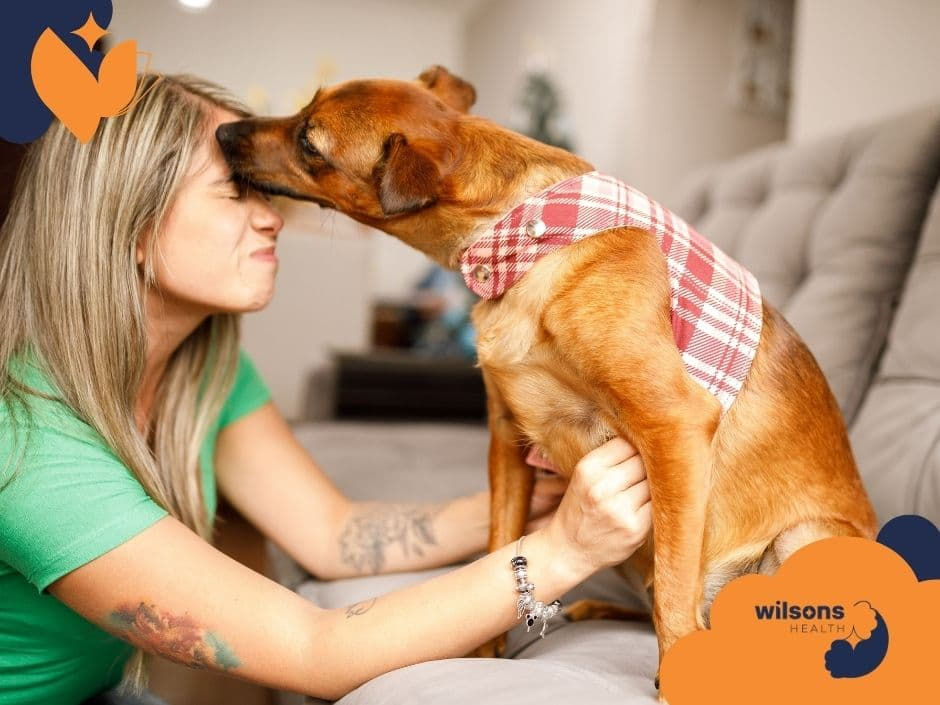
Your head bent over them, forehead touching theirs
Ask someone else to take a few of these, or use a timer/prop your phone. These are often the images that become most precious later.
5. Sleep, rest, and the in‑between
Many chronically ill dogs sleep more. That doesn’t make them “less photographable”; it just shifts the focus.
Try:
Close‑ups of their face relaxed in sleep
Their breathing pattern—a gentle rise and fall of the chest
The way their ears fall, their whiskers, their aging muzzle
Them half‑awake, eyes soft, when you whisper their name
If your dog has medical equipment (IV lines, oxygen, bandages), you can decide whether to include it. Some people prefer to focus on the dog only; others find that including the reality feels honest and later validating.
6. “Then and now” without cruelty
If you have older photos from healthier days, you can quietly echo them:
Same spot on the couch, different posture
Same toy, a bit more worn
Same human–dog cuddle, just gentler
You don’t need to place the images side by side right now. Just knowing you’ve mirrored the angle or scene can be enough. Later, if you want, they can become a visual story of a life well‑loved, not a harsh comparison.
Video ideas: movement, voice, and time
Video often captures what photos can’t: the sound of your dog’s nails on the floor, their particular sigh, the way they stretch or greet you.
You do not need to film everything. Think of short, intentional clips.
1. A simple “day in the life”
Over a few days, gather 5–10 second clips:
Morning: them lifting their head when you wake, or the sound of their breakfast being prepared
Midday: a nap, a slow walk to the yard, a sun‑bathing moment
Evening: medication, a cuddle on the couch, last trip outside
Later, these can be stitched together—or just watched as separate snippets—to show what life felt like, not just what it looked like.
2. Your dog’s voice
If your dog still barks, grumbles, or makes contented snorts, record them:
Their unique “feed me” noise
The soft groan when they lie down
The tiny tail thump when you say their name
Many people say that hearing their dog’s sounds again is one of the most powerful comforts.
3. Slow movement, not performance
Film:
The way they walk now—maybe slower, maybe wobbly, but still trying
Them climbing onto their bed or into your lap
The process of you gently lifting or supporting them
This isn’t about documenting decline for its own sake. It’s about honoring how the two of you adapted together.
4. “Message to future me”
Some owners find it helpful to quietly narrate while filming:
“This is us on the couch; you can see he’s still comfortable here.”
“She still loves this toy, even if she just licks it now.”
“We’re taking more breaks on walks, but her tail still wags when she smells the grass.”
You’re not making content for the internet; you’re making a note to your future self, who might one day doubt whether you did enough. These clips can answer, softly: you did.

Working with a professional: what to know, what to ask
If you’re considering hiring a photographer for a senior, silver, keepsake, or rainbow session, you’re not being extravagant or strange. This is becoming common enough that many photographers now offer dedicated packages.
A few realities to keep in mind:
Timing is tricky—and important
Health can change quickly. Photographers who specialize in end‑of‑life work often keep space for short‑notice sessions, but it’s not always possible.
Many recommend scheduling earlier than your emotions think you “should”—when your dog still has some good energy and comfort. Owners rarely regret being “too early”; they often regret waiting.
This is a good topic to raise with your vet:“Based on her condition, is there a window where she’s likely to still feel comfortable enough for a quiet photo session at home?”
Questions to ask a photographer
Look for someone who:
Has experience with senior or medically fragile dogs
Is comfortable doing in‑home or backyard sessions
Talks openly about breaks, rest, and going at the dog’s pace
Understands that your dog may not be able to sit, stand, or pose for long
You might ask:
“How do you handle it if my dog needs to lie down most of the time?”
“Are you okay if we have to stop early because she’s tired?”
“Can we focus more on candid snuggles than formal portraits?”
Many photographers already frame these as comfort‑focused sessions: slower, quieter, with lots of room for emotion.
Money, meaning, and pressure
These sessions can feel financially heavy on top of medical bills. Only you can decide whether this is the right investment.
A few thoughts that might help:
There is no “right” choice. You’re not failing your dog if you can’t or don’t want to hire a pro.
Some photographers donate a portion of end‑of‑life session fees to animal charities, which can make the expense feel more purposeful.
If budget is tight, consider a shorter session, or ask if they offer sliding‑scale or mini‑sessions for terminal pets. Some quietly do.
And remember: many of the most meaningful images will still be the ones you take at 6 a.m. in your pajamas, with your phone slightly smudged.
The ethics of what you choose to show
There is a quiet ethical question that many owners wrestle with, even if they don’t name it:
Do I want photos and videos of how sick they really were?
Some feel strongly: “I only want to remember them healthy.” Others feel the opposite: “I need to see the whole truth.”
Here’s a way to approach it that respects both you and your dog:
1. Think in circles of privacy
Innermost circle: for you only. These might include medical equipment, very frail days, or moments of intense emotion. They can still be powerful to have, but you’re not obligated to share them with anyone.
Middle circle: for close people. Images that show vulnerability but also comfort—your dog sleeping with an IV line, or resting between treatments.
Outer circle: for sharing more widely (if you want). Photos and videos that feel like a celebration of their personality and your bond, without exposing what feels too raw.
You can always move an image inward later (deciding it’s too private), but it’s harder to move it outward once it’s been widely shared.
2. Ask: “Would this feel respectful if the roles were reversed?”
It’s a strange question, but often clarifying.If someone filmed or photographed you in this state, would you feel seen and cared for—or exposed?
Your dog can’t answer, but your instinct about dignity is usually a good guide.
3. Allow your feelings about it to change
An image that feels unbearable right after loss may become precious years later—or not. You’re allowed to keep things you’re not yet ready to look at. Cloud storage and hidden albums exist for a reason.
When you don’t feel like documenting at all
Some days, the idea of taking a photo or video may feel impossible, or even wrong. You might be:
Overwhelmed by caregiving tasks
Afraid that pressing “record” will make the reality feel too real
Worried that you’re turning your dog’s suffering into a project
This is not a moral test. Not documenting is also a valid choice.
A few gentle options if you want something without feeling like a documentarian:
Ask a trusted friend or family member to take a few candid photos when they visit.
Set your phone on a shelf to record a short stretch of your normal evening, then forget about it.
Take just one picture a week, in the same spot, with no expectation attached.
You are already doing so much by simply being there. Photos and videos are an addition, not a requirement.
Talking with your vet about memory‑making
Photography and video aren’t yet standard items on veterinary end‑of‑life checklists, but they’re increasingly recognized as part of holistic, emotional care.
You might bring it up like this:
“I’m thinking about doing some photos or a short video session with her. Is there a time frame where she’s likely to be comfortable enough?”
“Are there any handling or positioning limits I should respect during a photo session?”
“If we decide on a professional session, is there anything medical you’d want them to know?”
Some vets may even know local photographers who are gentle with chronically ill pets, or they may simply appreciate that you’re thinking about your dog’s comfort in another dimension.
Afterward: how these images tend to feel
People often worry: “Will these photos and videos just make me sad?”
The honest answer: at first, they might.
Many owners describe a pattern:
Immediate period (days–weeks): Looking is often painful. The images feel too close to the loss.
Middle period (weeks–months): Certain photos or clips—especially the ones that show comfort, small joys, and your bond—start to feel like anchors. They help counter intrusive memories of the last vet visit or the worst days.
Longer term (months–years): The collection becomes a story:
of who your dog was
of how you adapted together
of the care you gave, even when it was hard
Many people say, in retrospect, that the ordinary moments became their treasures: the way the dog’s paw rested on their knee, the crooked way they slept, the slight tilt of the head at a familiar word.
Those details are easy to forget under the weight of illness and loss. Images—especially the quiet, unremarkable ones—help bring them back.
A last thought
Chronic illness has a way of shrinking life down to appointments, lab results, and what‑ifs. It can make you feel like you are constantly behind: behind on treatment options, behind on decisions, behind on “making the most of the time you have left.”
Photos and videos won’t fix that. But they can gently insist on something truer:
There were still mornings. There was still sunlight on the floor. There was still the familiar weight of a head on your leg, the soft sound of breathing beside you.
Whether you record one moment or a hundred, you’re not trying to build a monument. You’re simply leaving small markers along the path you and your dog are walking together—so that later, when the path feels far away, you can find your way back to how it really was: imperfect, tender, and deeply shared.
References
Karen Hoglund Photography. Photographing Older Dogs: Pro Advice. Available at: https://karenhoglundphotography.com/blog/photographing-older-dogs-pro-advice/
Lovelee Paws. End-of-Life Photography. Available at: https://loveleepaws.com/end-of-life-photography/
H. Hildreth Photo. What to Expect from Your Dog’s End-of-Life Pet Photography Session. 2024. Available at: https://hhildrethphoto.com/blog/2024/8/28/what-to-expect-from-your-dogs-end-of-life-pet-photography-session
Penny Whistle Photography. The Joy and Sadness of Senior and End-of-Life Pet Photography Sessions. Available at: https://www.pennywhistlephotography.com/blog-post/the-joy-and-sadness-of-senior-and-end-of-life-pet-photography-sessions
Pet Hospice Providers / Tara Lee Photography. Senior Pet Photography Tips from a Professional Photographer. Available at: https://www.pethospiceproviders.com/blog/senior-pet-photography-tips-from-a-professional-photographer
Jessica Shaw Photography. Keepsake Sessions. Available at: https://jessicashawphotography.com/keepsake
Terrij Photography. End-of-Life “Rainbow” Pet Photo Session. Available at: https://www.terrijphotography.com/blog-posts/end-of-life-rainbow-pet-photo-session-toronto

Comments